The Scavi are the excavations beneath St. Peter’s Basilica in Vatican City. First uncovered in 1939, they reveal a Roman necropolis, an ancient road lined with 22 funerary buildings and some 1,000 burials. At its heart lies the Trophy of Gaius, the 2nd-century shrine traditionally marking the tomb of St. Peter. This long-read follows the story in thirteen chapters, from Peter’s martyrdom in Nero’s circus to the bones Pope Paul VI announced in 1968 as the apostle’s relics.
What is Scavi, and why is it one of the most memorable experiences at the Vatican
The Scavi, the excavations beneath St. Peter’s Basilica, reveal an ancient Roman necropolis, including the area traditionally identified as the tomb of St. Peter. Exploring this remarkable underground site offers a rare glimpse into ancient Rome and the earliest history of Christianity.
For many visitors, a Scavi visit becomes one of the most memorable moments of their time at the Vatican, an intimate journey beneath St. Peter’s Basilica that goes far beyond a traditional sightseeing tour.
The information on this website is intended as an introduction to the Vatican Necropolis and the Scavi. We hope it helps you understand the history, significance, and character of this extraordinary archaeological site, and that one day you’ll have the chance to see the excavations in person during a visit to the Vatican.
Peter the Apostle in Rome
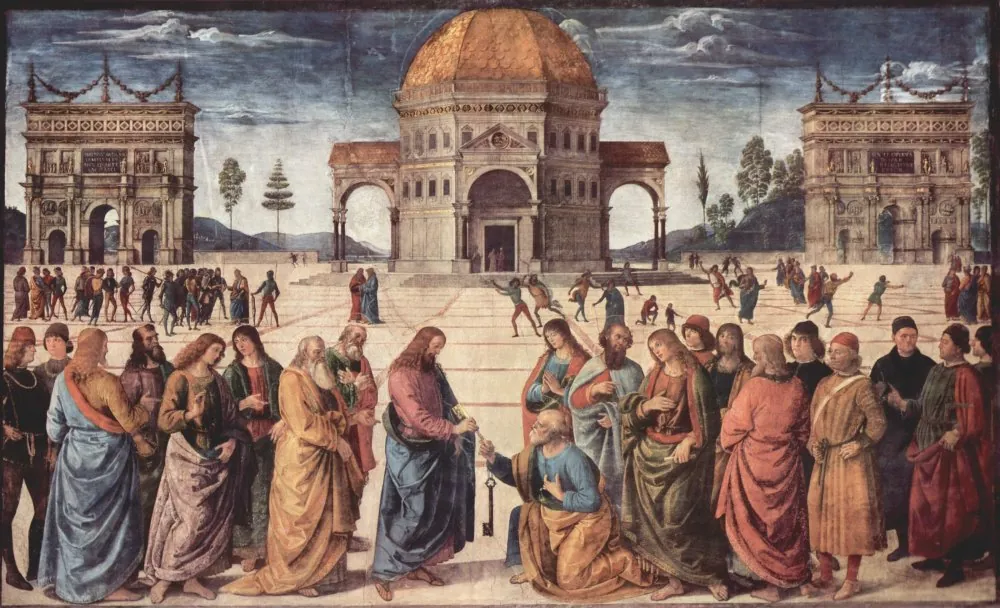
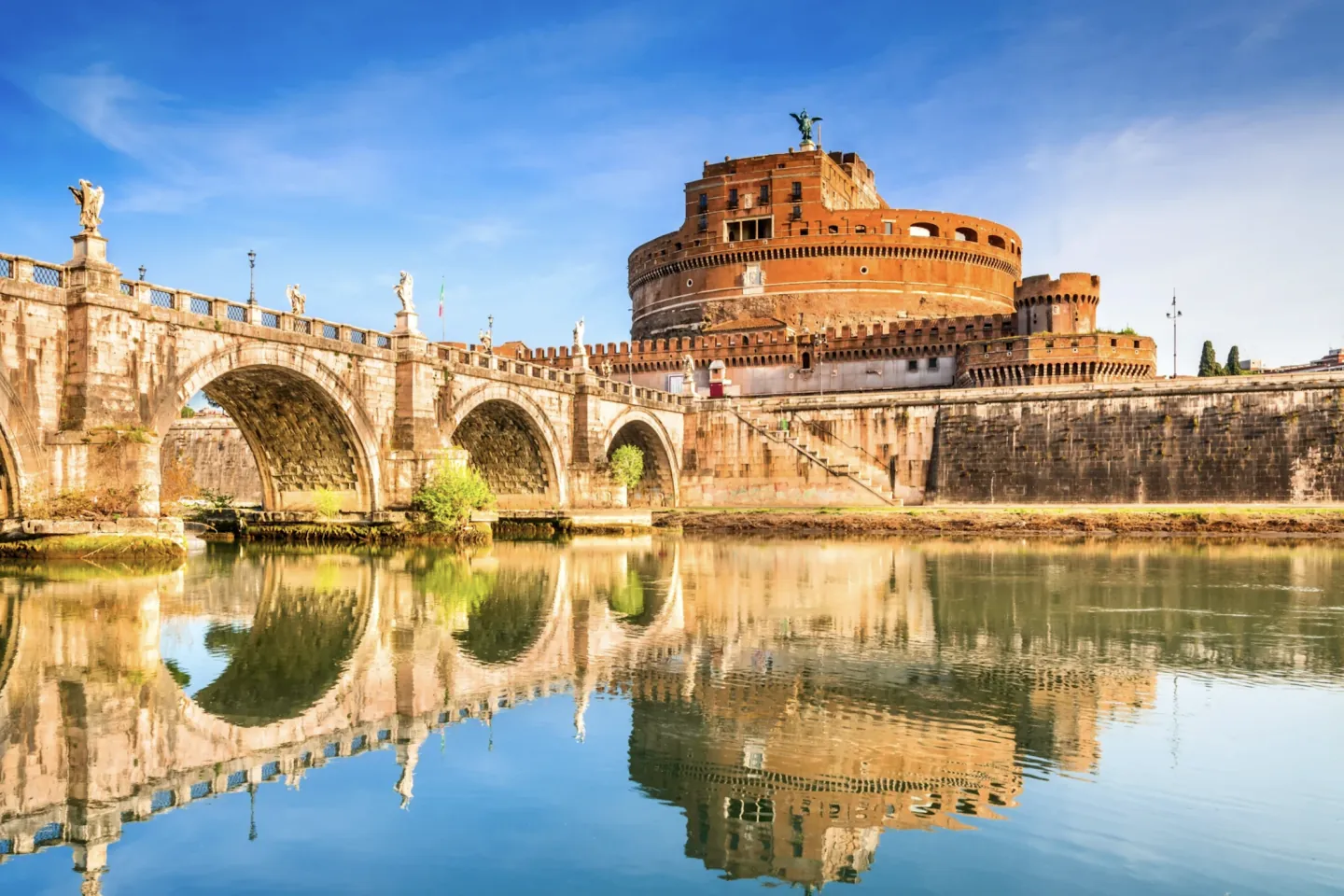
According to early Christian tradition, St. Peter came to Rome and became the leader of the Christian community there, serving as its first bishop. During the persecution of Christians under Emperor Nero, Peter was arrested and, according to longstanding tradition, imprisoned in the Mamertine Prison (Carcer Tullianum) near the Roman Forum. The prison is traditionally regarded as the place where Peter spent his final days before his execution.
Circus of Nero: St. Peter’s execution site
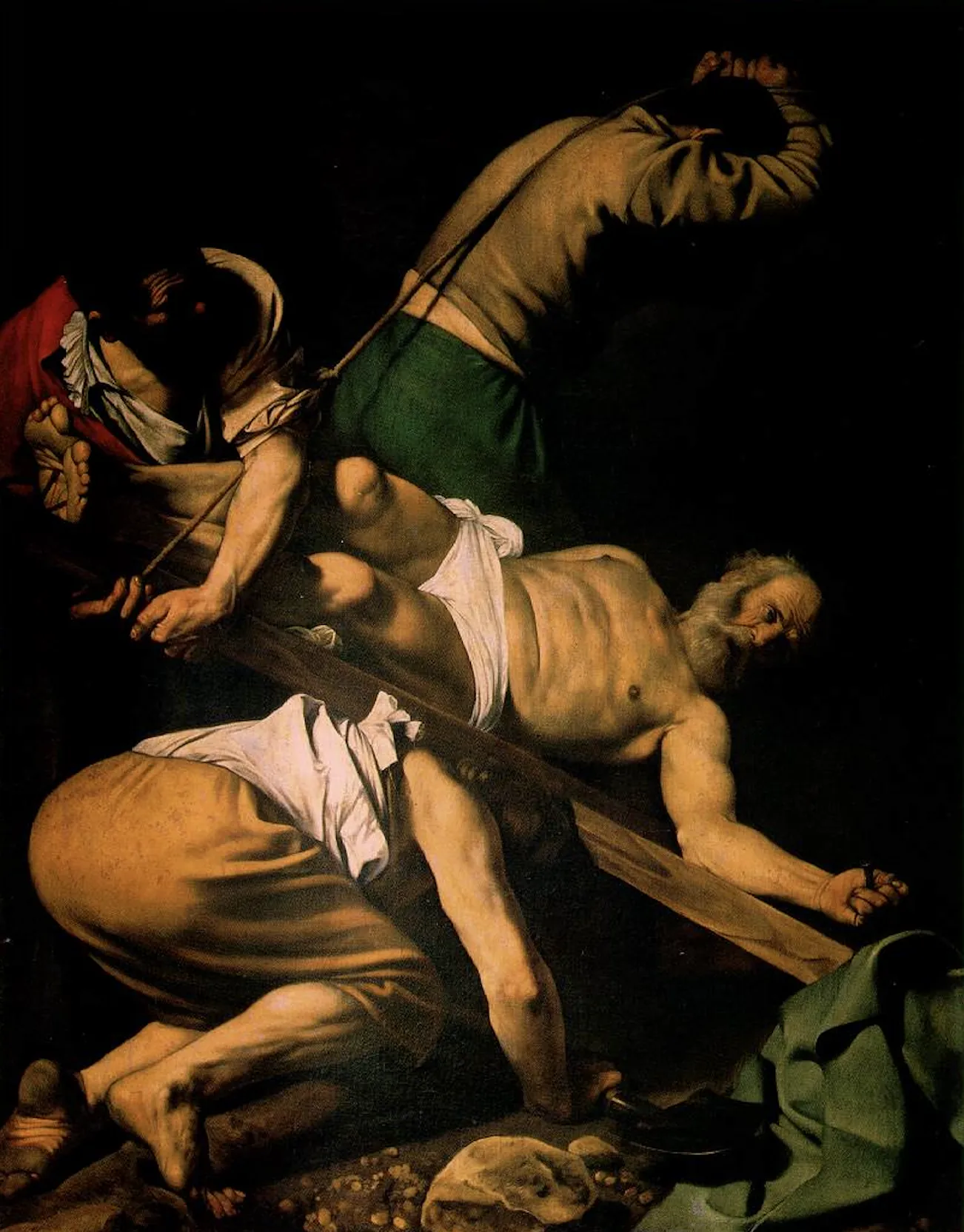
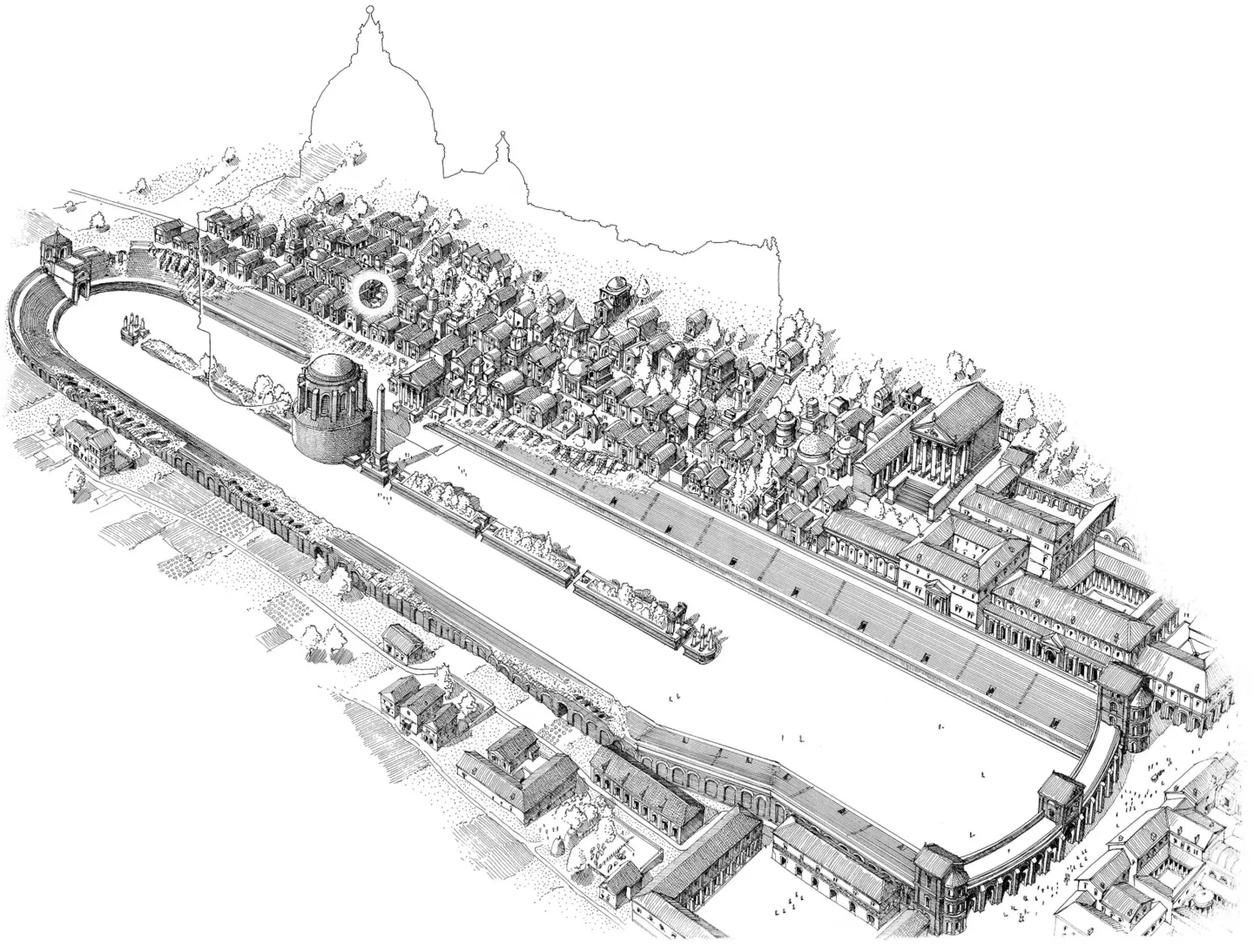
Peter was sentenced to crucifixion. Many modern historians place his martyrdom around AD 64, during Nero’s persecution of Christians following the Great Fire of Rome. Christian tradition holds that Peter was crucified in the Neronian Circus on Vatican Hill, in the very area that is now the heart of Vatican City.
Tradition also holds that Peter was crucified upside down, because he did not consider himself worthy to die in the same manner as Jesus.
The obelisk currently standing in the center of St. Peter’s Square originally stood at the Circus of Nero. It remained there for more than 1,500 years and was moved to its present position by Pope Sixtus V in 1586. It witnessed the persecution of the first Christians and has remained a silent witness to the transformation of this place from Nero’s circus into the heart of Christianity.
St. Peter’s grave at Mons Vaticanus, a burial area across the Tiber
Mons Vaticanus, or Vatican Hill, stood on the western bank of the Tiber, in an area known to the Romans as the Ager Vaticanus. Outside the sacred boundary of ancient Rome, this area became a landscape of gardens, the Circus of Nero, and extensive burial grounds along the roads leading out of the city.
In ancient Rome, burial grounds were generally located outside the city, often along roads leading into and out of Rome. Wealthy Romans built monumental tombs and family mausoleums along these roads.
According to the ancient Christian tradition, St. Peter was buried on the southern slope of Vatican Hill. The burial was very modest, a simple grave dug into the ground.
Trophy of Gaius: from modest grave to visible memorial
After Peter’s burial on the southern slope of Vatican Hill, his grave remained within the Roman necropolis and became a place of Christian memory and devotion.
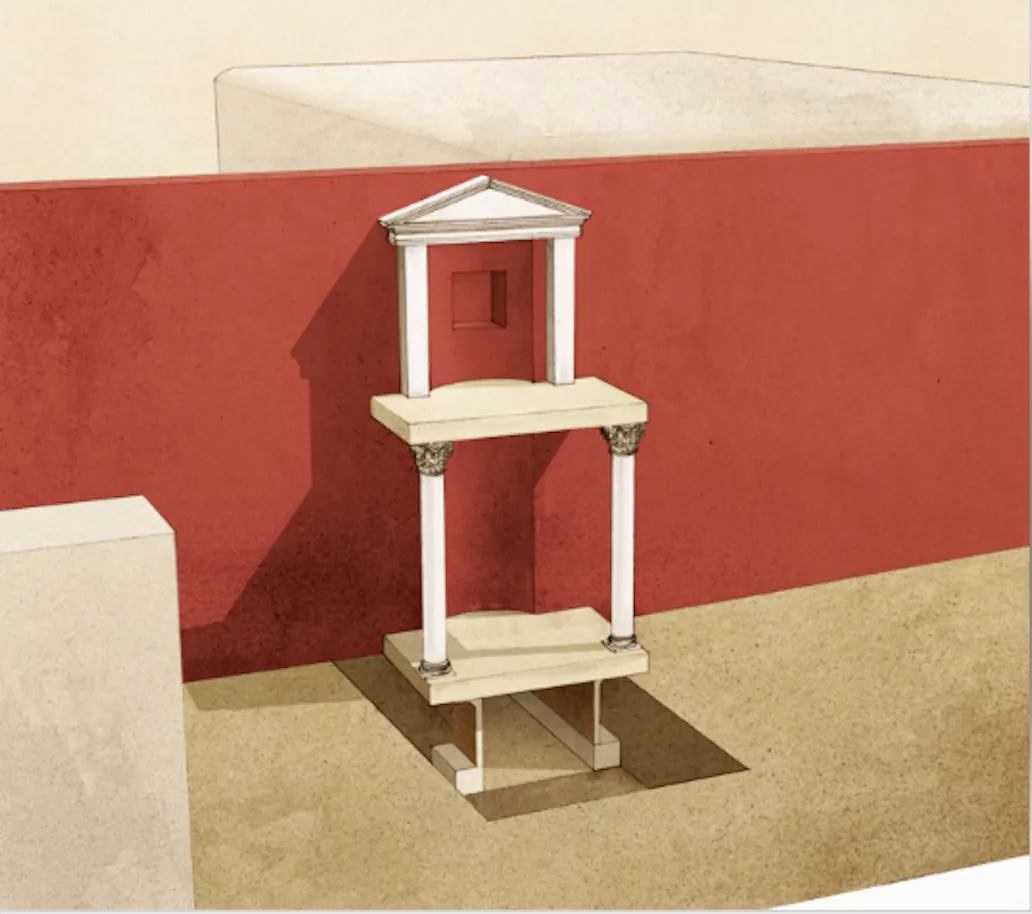
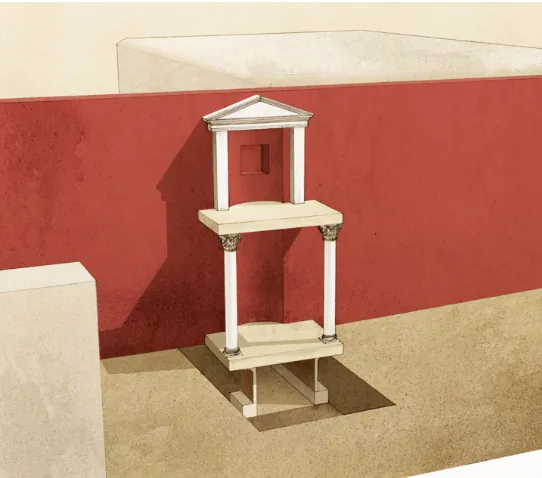
Christians began visiting the site very early, and the modest grave was eventually protected by a wall covered with red plaster. Around AD 160, approximately a century after Peter’s martyrdom, a small funerary shrine was built over the burial site. This monument, consisting of a marble slab supported by two small columns attached to the red-plastered wall, became known as the Trophy of Gaius.
By the end of the 2nd century, the Roman priest Gaius referred to the site when speaking of the “trophies” of the apostles Peter and Paul in Rome.
His testimony was later preserved by Eusebius of Caesarea (c. AD 260–339), a Christian bishop, historian, and scholar, and provides important early evidence that the location associated with Peter’s tomb was known to the Christian community.
The Edict of Milan, AD 313: religious toleration throughout the Roman Empire
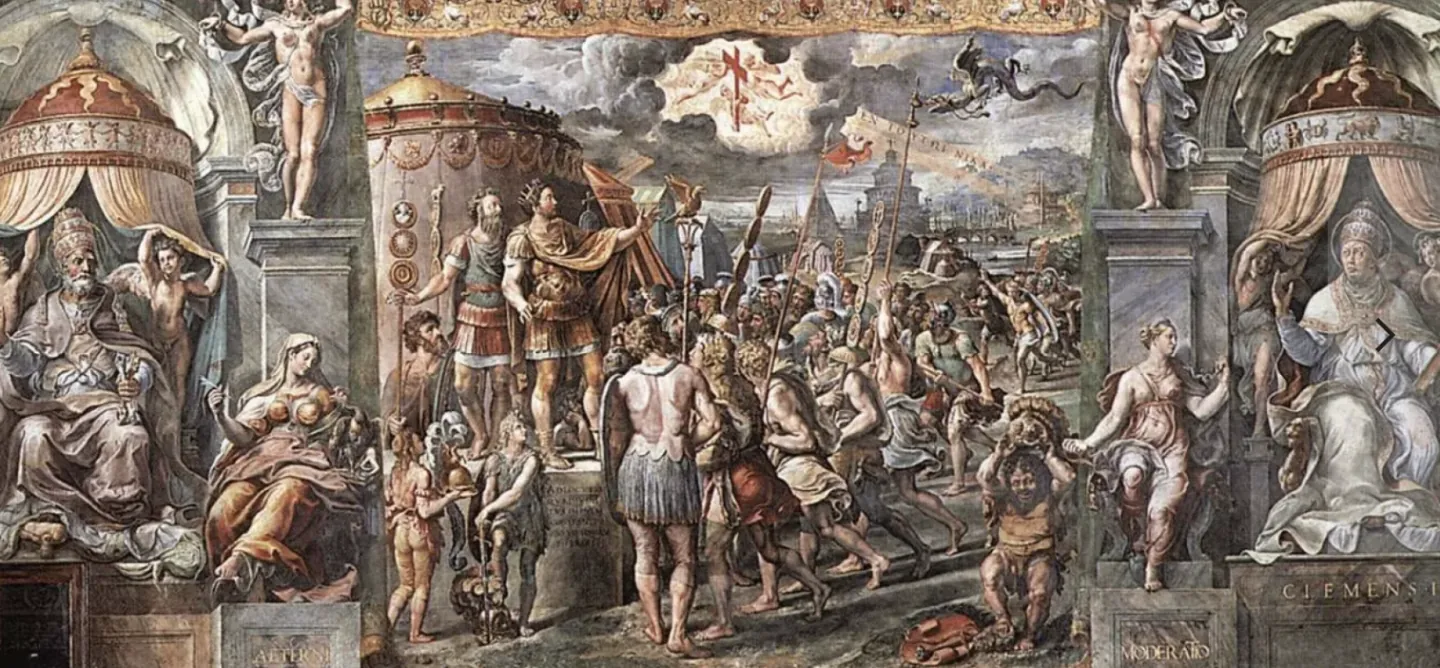
The Edict of Milan was a major turning point in Christian history. Issued in AD 313 by Constantine and Licinius, it established religious toleration, allowing Christians to worship openly and restoring property confiscated during earlier persecutions.
Constantine and his mother, Helena, played an important role in transforming Rome into a major center of Christianity. Constantine supported the construction of the first Basilica of St. Peter and the Basilica of St. Paul Outside the Walls, while Helena was associated with the foundation of Santa Croce in Gerusalemme.
A key part of this transformation was the monumentalization of the graves of Peter, Paul, and other martyrs, turning burial sites on the outskirts of Rome into major churches and destinations for Christian pilgrimage.
Constantine and the building of the first St. Peter’s Basilica
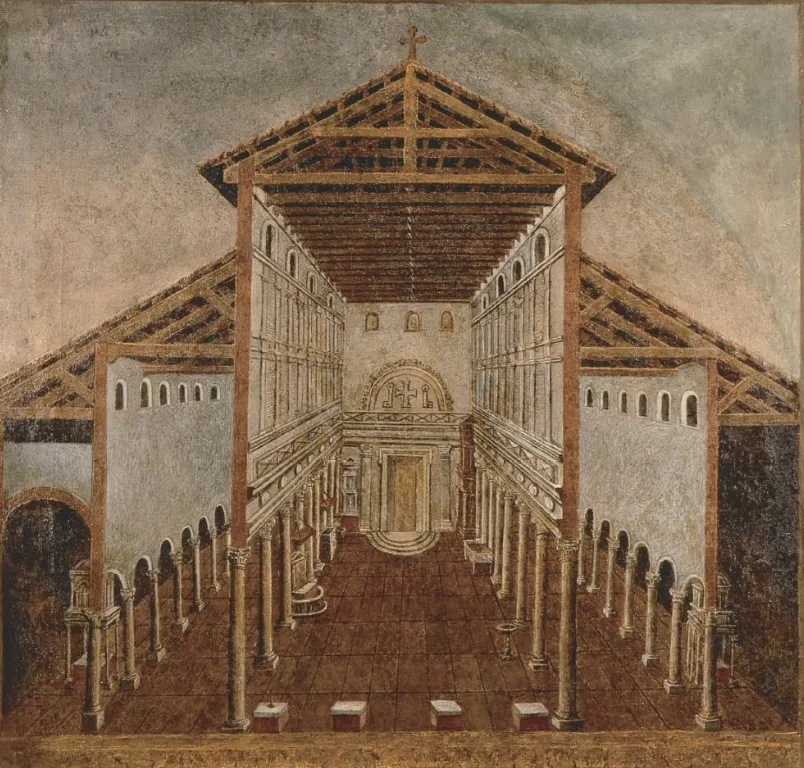
In the 4th century, Emperor Constantine ordered the construction of the first Basilica of St. Peter directly over the traditional tomb of the Apostle. This was a remarkable undertaking: much of the Roman necropolis had to be demolished and more than 40,000 cubic metres of earth moved to level the slope of Vatican Hill. The five-aisled basilica transformed Peter’s modest burial place into a monumental church and one of the most important destinations for Christian pilgrims.
When Constantine built the first St. Peter’s Basilica in the 4th century, he preserved the small Trophy of Gaius and enclosed it within a monumental marble structure, placing Peter’s traditional tomb at the very heart of the new basilica.
After Constantine enclosed the Trophy within the first St. Peter’s Basilica, successive altars and structures were built directly above it. The Trophy remained there, but it was progressively incorporated into the architecture and eventually became inaccessible. The medieval and Renaissance basilica preserved the sacred location, even though people no longer knew exactly what lay beneath it.
From Constantine’s Basilica to the present St. Peter’s Basilica
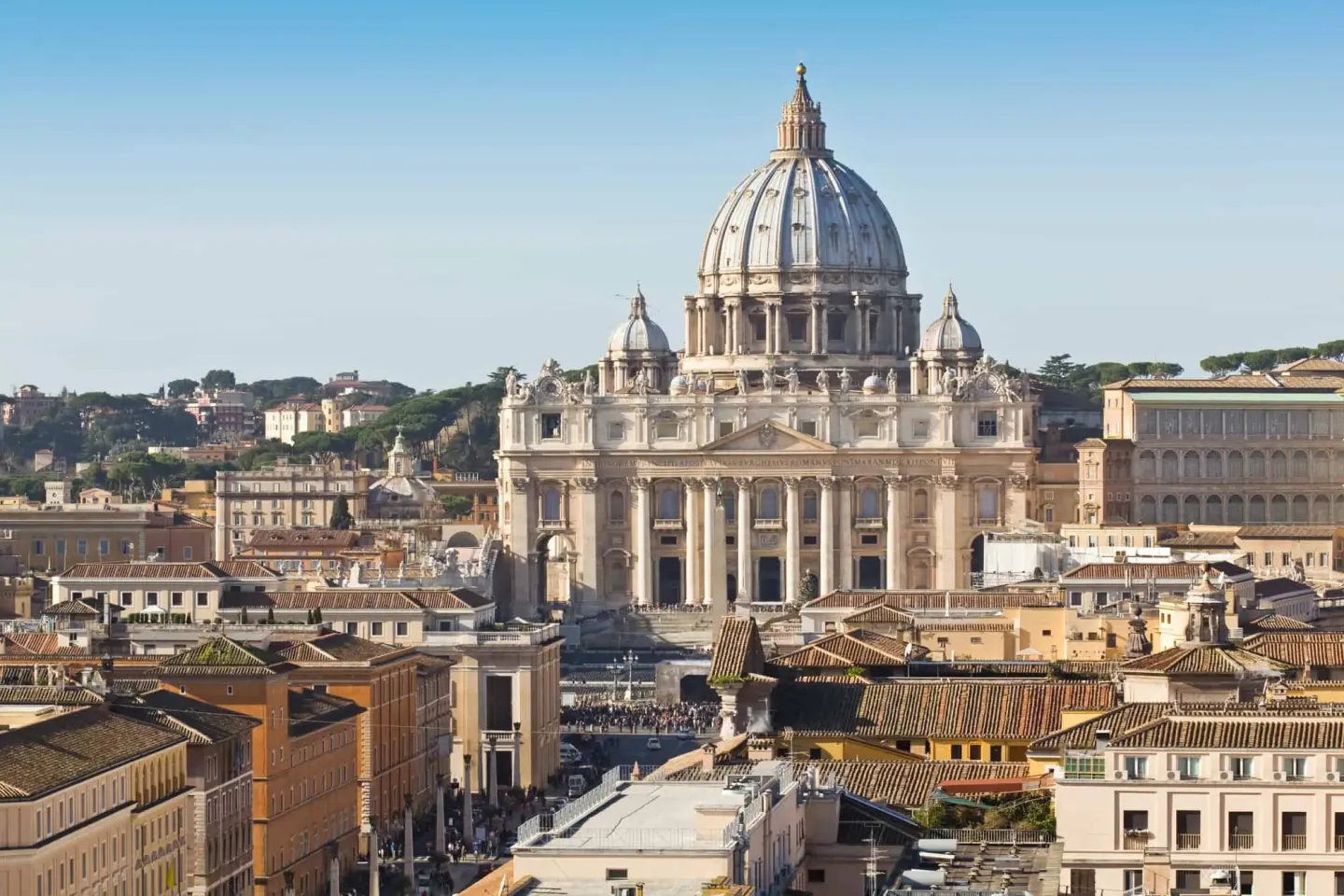
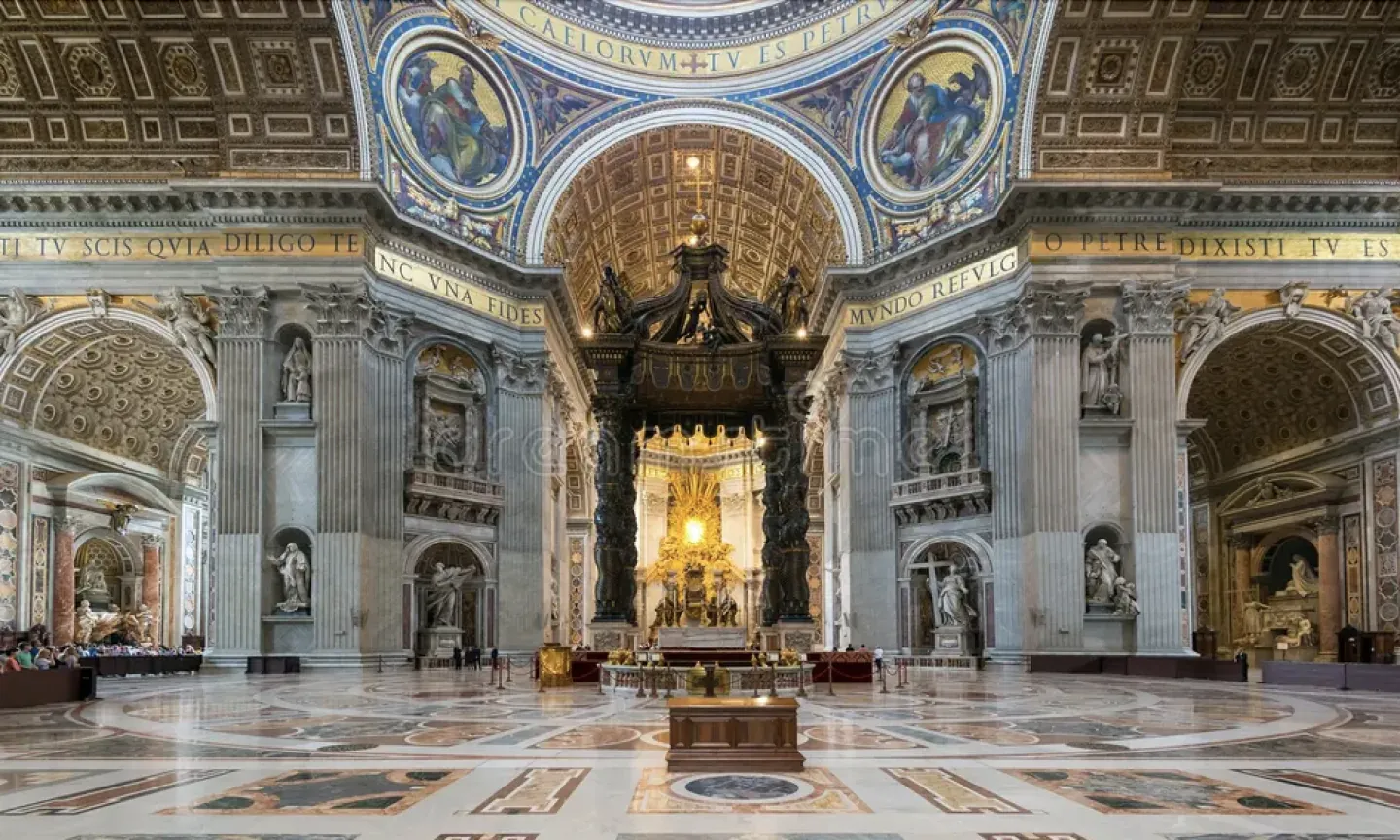
More than a thousand years later, Constantine’s basilica was replaced by the present St. Peter’s Basilica. Construction began in 1506 under Pope Julius II and continued for more than a century, involving some of the greatest architects of the Renaissance and Baroque periods, including Bramante, Raphael, Michelangelo and Maderno. Completed in 1626, the new basilica was built around the same sacred center: the traditional tomb of St. Peter, preserved beneath the main altar.
Vatican Grottoes: the beginning of a spectacular discovery
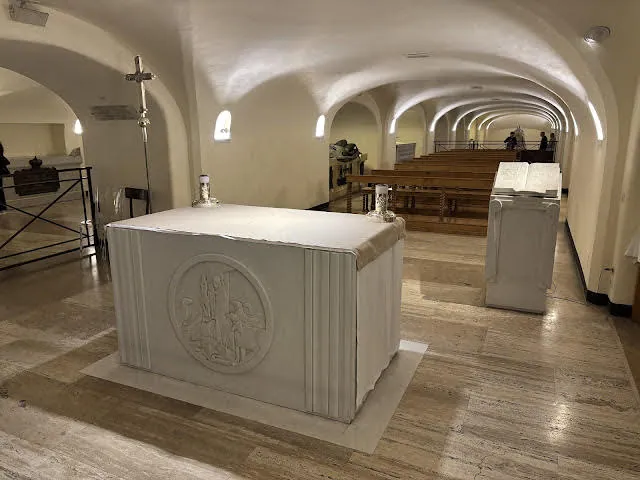
The present St. Peter’s Basilica stands roughly three meters above the level of Constantine’s original basilica. The space between the two levels is known as the Vatican Grottoes.
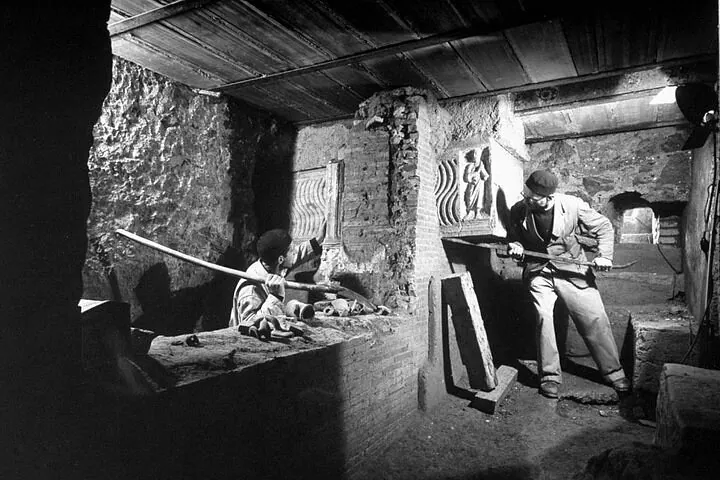
The spectacular discovery beneath St. Peter’s Basilica began almost by accident. When Pope Pius XI died in February 1939, preparations were made for his burial in the Vatican Grottoes, close to the Confessio. As workers enlarged the burial area, they unexpectedly broke through into an ancient structure hidden beneath the floor. The discovery immediately raised questions about what lay beneath the basilica.
Revealing the Roman necropolis beneath St. Peter’s
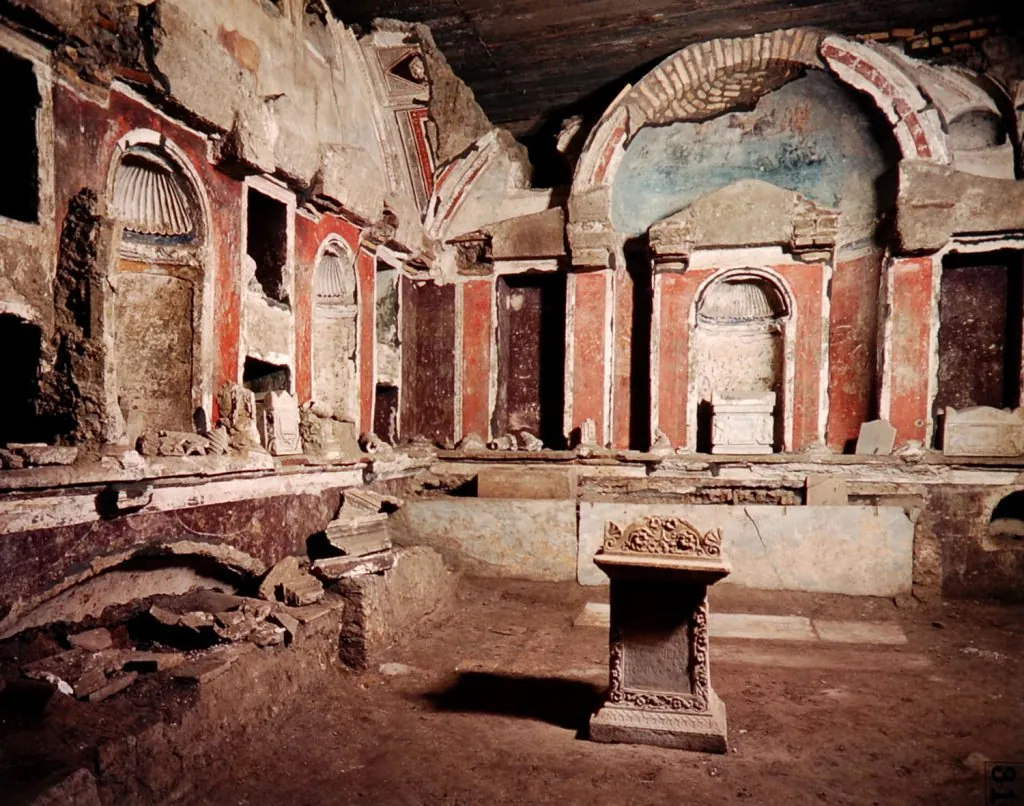
What began as a search prompted by the preparation of a papal tomb would eventually uncover an entire Roman necropolis: an ancient dirt road lined with 22 funerary buildings, containing an estimated 1,000 burial places for both inhumation and cremation.
The earlier burials were mostly cremations, with the ashes placed in urns set into small arched niches in the walls. Over the second century, however, the custom gradually shifted toward inhumation, and the dead were laid whole in marble sarcophagi, in graves dug into the floors, or, among poorer families, in simple trenches covered with roof tiles.
Remarkably, the necropolis was still in use when Constantine decided to build his great basilica directly over the traditional tomb of St. Peter. To make this possible, the upper parts of the Roman tombs were demolished and the entire cemetery was buried beneath the foundations of the new church.
The empty grave of St. Peter
At the heart of the necropolis, the excavators eventually reached a small and remarkably important monument: the Trophy of Gaius, the funerary aedicule traditionally identified as the monument marking the tomb of St. Peter.
Built around AD 160, approximately a century after Peter’s martyrdom, it consisted of a marble slab supported by two small columns, attached to a wall covered with red plaster, referred to by archaeologists as the Graffiti Wall. The monument stood directly above the place where Peter was believed to have been buried and became a focus of early Christian devotion.
Yet when the archaeologists reached the monument, the burial place associated with Peter appeared to be empty.
The excavations ended without a definitive conclusion about the fate of Peter’s remains. The archaeologists had uncovered the ancient funerary monument known as the Trophy of Gaius, and the evidence strongly connected it with the traditional tomb of the Apostle. But beneath the monument itself, no human bones were found. A small cavity in the nearby Graffiti Wall contained a collection of bones, but their significance and provenance were not immediately clear.
ΠΕΤΡΟΣ ΕΝΙ: Peter is here
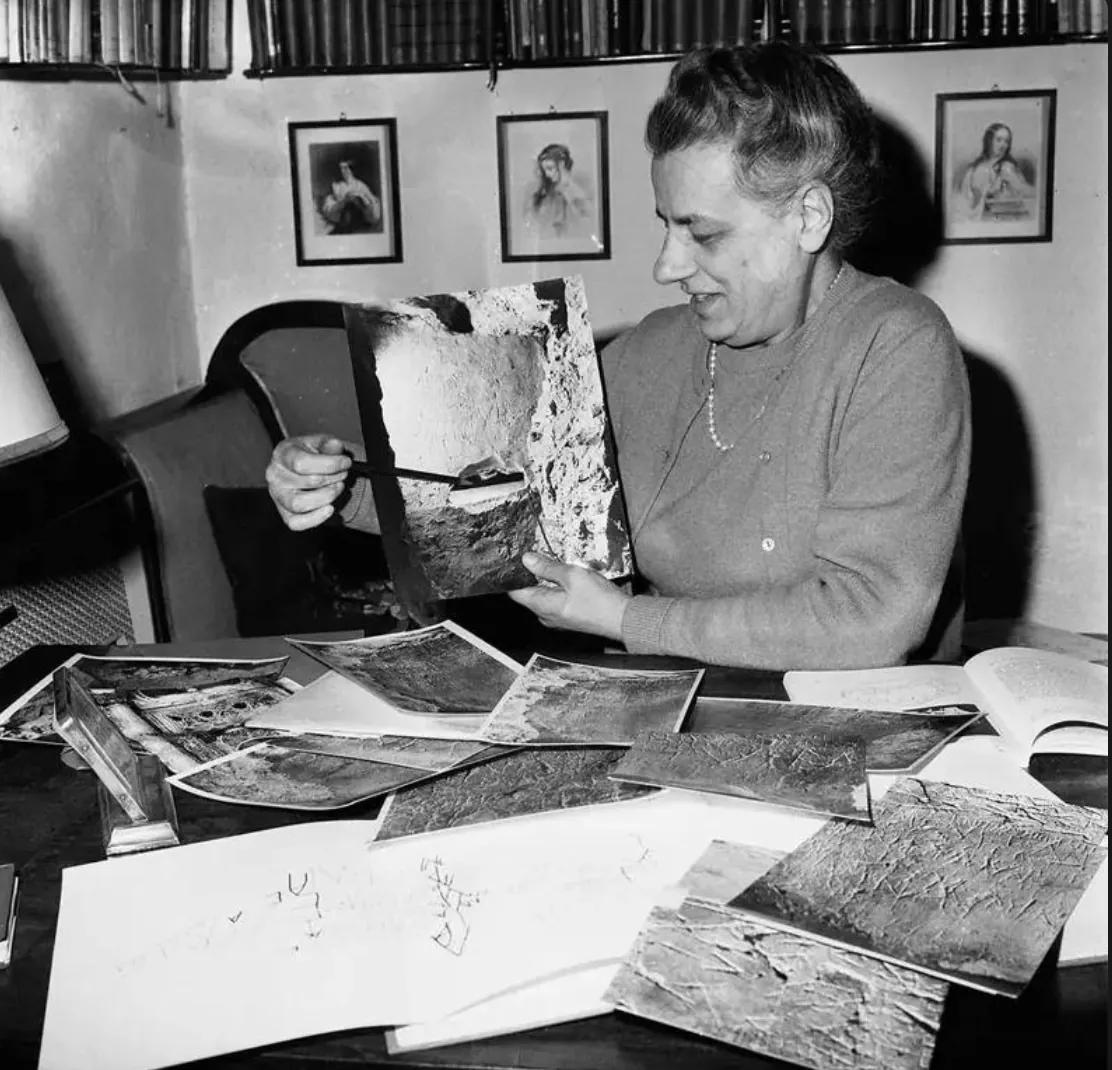
Margherita Guarducci was a major Italian Greek epigrapher and archaeologist, and she became one of the most important, and controversial, figures in the later investigation of St. Peter’s tomb during the papacy of Paul VI.
Her work essentially tried to answer the question left unresolved by the original excavations: if the monument was Peter’s tomb, where were Peter’s bones?
Guarducci focused particularly on the Graffiti Wall (G Wall) beside the Trophy of Gaius. This wall contained numerous early Christian inscriptions referring to Peter and Christ. She also studied a small Greek inscription on the nearby Red Wall: ΠΕΤΡΟΣ ΕΝΙ (Petros eni).
Margherita Guarducci proposed a remarkable reconstruction of what had happened to Peter’s remains.
She argued that Peter was originally buried in the Vatican necropolis and that the Trophy of Gaius was later erected over his grave. She believed that, before Constantine built the basilica, Peter’s remains were transferred from the original grave to a protected cavity in the Graffiti Wall. When Constantine incorporated the monument into the new basilica, the remains were preserved within this structure. Guarducci therefore concluded that the bones recovered from the cavity in the Graffiti Wall were in fact the remains of St. Peter.
Controversy and the present day
Guarducci’s conclusions were not unanimously accepted by the original members of the excavation team. The debate continued for years among archaeologists and epigraphists.
In 1968, Pope Paul VI announced that, following further investigations, the relics of St. Peter had been identified in a manner that could be considered convincing, while acknowledging that research and discussion would continue.
Today, the Vatican continues to identify the site beneath the Papal Altar as the tomb of St. Peter. Pope Francis, in 2019, described the bones recovered from the funerary niche as remains that “can quite reasonably be considered” those of the Apostle.